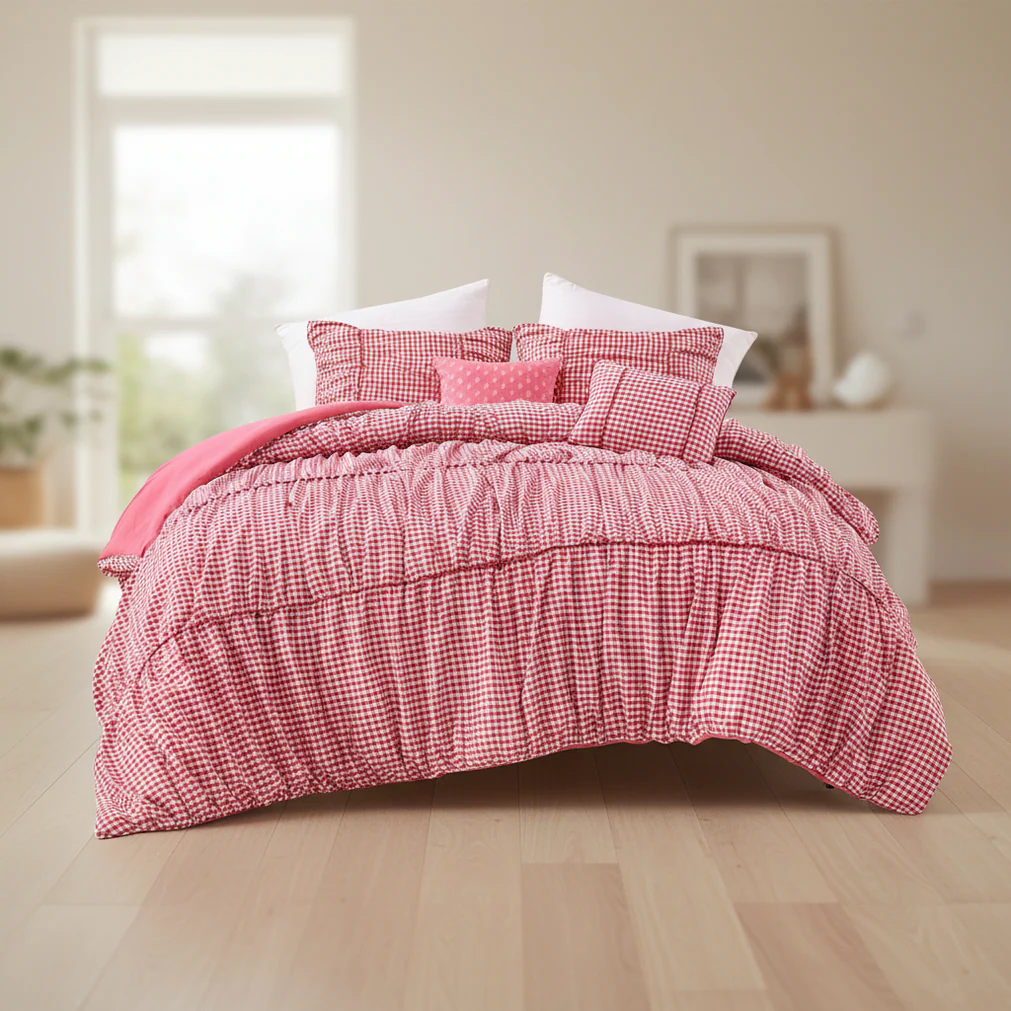
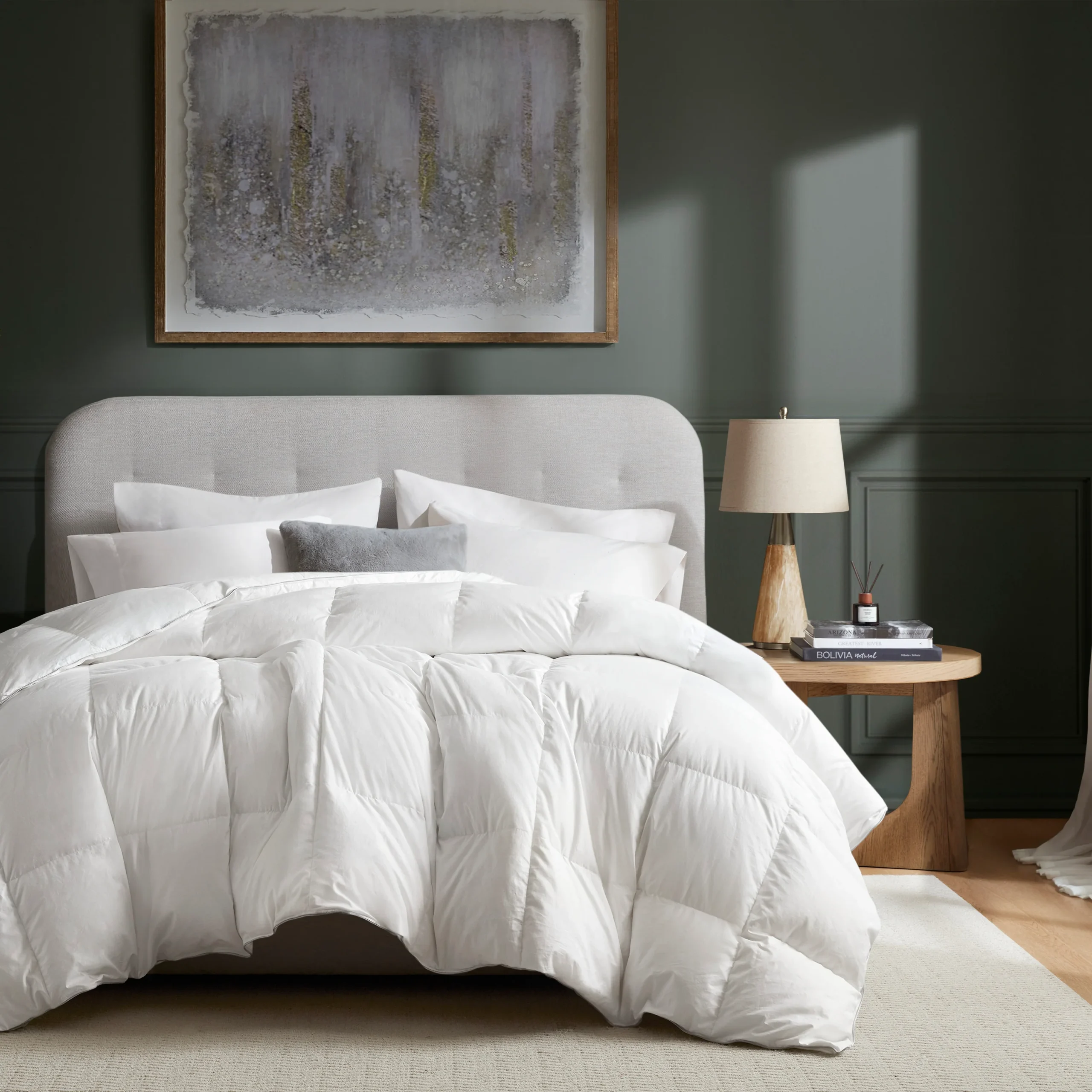
Most bedrooms are designed to look good in photographs. A few are designed to do something more quietly important – to actually restore the person who sleeps in them.
The difference between the two is not a matter of budget or square footage. It is a matter of intention. Of whether the room was built around the way a body feels after eight hours inside it, or around the way it reads from the doorway in good light. Interior designers who work in the restorative space will tell you that the most powerful decisions in a bedroom are rarely the ones you see first. They are the ones you feel the moment you lower yourself onto the mattress, draw the curtains, and let the day release its grip.
Start With the Quality of Quiet
Before any textile or piece of furniture is chosen, designers working in sanctuary bedroom design begin with something intangible: the quality of quiet the room can hold.
Acoustic softness comes from layering. Rugs absorb sound from below. Curtains that pool slightly at the floor heavier than necessary, softer than expected, reduce the hard reflection of walls. Upholstered headboards do quiet work that bare wood cannot. The goal is a room that dampens the frequency of daily life rather than simply turning down its volume.
Natural materials contribute to this in ways that synthetic ones rarely match. Wool, linen, and cotton in their unprocessed forms carry a slight porosity, a willingness to absorb rather than reflect, both acoustically and atmospherically. A room furnished largely in natural fiber has a different register to it. Calmer. More settled. Less insistent.
Light as a Design Material
In restorative bedroom ideas, light is treated not as a utility but as a material in its own right that changes everything it touches, including mood.
Designers consistently favor layered lighting over single overhead sources. A low lamp on the bedside table at eye level when lying down. A softer ambient source in the corner that warms the room without directing attention anywhere specific. Candlelight, where it can be used safely, introduces the one quality that electrical light struggles to replicate: the gentle, irregular movement that signals to the nervous system that the day is genuinely ending.
Natural light, managed rather than maximized, shapes the morning quality of the room. Linen curtains undyed or lightly toned filter rather than block, filling the space in early hours with the diffuse, warm quality that encourages a gradual rather than abrupt return to wakefulness. It is, in the language of intentional home design, a form of hospitality the room extends to the person inside it.
The Coastal Palette and Why It Works
Coastal bedroom styling has endured not because it is fashionable but because it is physiologically effective. The palette it draws from salt white, driftwood grey, the particular pale blue-green of shallow water in morning light maps closely onto the tones associated with rest and nervous system regulation.
These are not decorative choices made in isolation. They are responses to something older. The human body in proximity to water – or in a space that recalls it through color and texture tends to soften. The breath slows slightly. The shoulders drop. Designers working in this register understand that they are not decorating a room so much as curating a specific physiological invitation.
The materials that carry this palette best are the ones that hold it without effort. Linen in particular takes color in a way that manufactured fibers do not. It absorbs dye at the fiber level, producing tones that have depth and natural variation, never flat, never uniform, always slightly more interesting at close range than they appear from across the room.
Where Textiles Become the Finishing Layer
In the architecture of a restorative bedroom, luxury bedroom textiles are the last layer applied and the most felt. Every other decision the paint, the furniture, the light creates the conditions. The textiles complete them.
This is where Harbor House Living, the sustainable luxury bedding brand known for its coastal-sourced French flax linen, enters most naturally. Not as a centrepiece or a statement, but as the layer that resolves everything around it.
Harbor House Living sources its flax from the certified agricultural belt of Northern France, where Atlantic rainfall and particular soil conditions produce fibers of uncommon length and natural luster. The finished textile carries that origin quietly. It has weight without heaviness. Texture without roughness. A surface that asks to be touched rather than admired from a distance.
The garment-washing process Harbor House Living applies before the product ever reaches a bedroom means the softening has already begun. Each subsequent laundering continues it — not toward dissolution, but toward deepening. Toward a sheet or quilt that holds the particular quality of a thing that has been lived with honestly.
The OEKO-TEX certification carried across the Harbor House Living linen collection means that the gentleness felt against skin is matched by the responsibility taken at the source. In a room designed around restoration, that traceable integrity is not incidental. It is part of what the room is made of.
The Room That Knows You
The most restorative bedrooms, designers agree, are not the ones that impress. They are the ones that recognize. That holds a particular quality of stillness the moment you enter. That feel, over time, as though they have been shaped by the life lived inside them rather than assembled for an occasion.
Creating that quality is patient work. It asks for material honesty over surface appearance, and for decisions made in service of the body rather than the brief. The result, when it comes together, is not a room that photographs well. It is a room that restores quietly, completely, night after night.